
The Future of Personal Finance in 2026: How Smart Money Management Is Creating a New Generation of Wealth
Money management in 2026 is no longer just about saving cash in a bank account and hoping for financial security someday. The world has changed dramatically over the last decade. Inflation, artificial intelligence, digital banking, cryptocurrency, and remote work have completely transformed the way people earn, spend, save, and invest their money.
Today, financial success belongs to people who understand adaptation. Traditional financial systems are evolving rapidly, and millions of individuals around the world are searching for smarter ways to protect and grow their wealth in an unpredictable economy.
The modern financial landscape rewards strategic thinking more than ever before. In previous generations, people often depended on one stable job for their entire lives. They worked for decades, saved small amounts of money, and expected retirement systems to support them in the future. But in 2026, the rules are different.
Technology is reshaping industries at incredible speed. Artificial intelligence is automating jobs. Digital businesses are replacing traditional systems. Online income opportunities are expanding globally. At the same time, inflation and rising living costs are putting pressure on households everywhere.
Because of this transformation, personal finance has become one of the most important life skills of the modern era. Financial education is no longer optional—it is essential for survival and long-term success.
One of the biggest changes happening in 2026 is the rise of multiple income streams. Many financially successful people no longer rely on only one salary. Instead, they build several sources of income to increase stability and reduce financial risk.
Some people operate online businesses while also investing in stocks or cryptocurrency. Others earn money through freelancing, content creation, affiliate marketing, e-commerce, or digital products. This diversification helps protect income during economic uncertainty.
The internet has created opportunities that did not exist only a few years ago. Today, someone with a smartphone and internet connection can build an audience, sell services globally, or start an online business from almost anywhere in the world.
Remote work has also played a massive role in changing financial behavior. Millions of workers now earn income online instead of depending on local job markets. This shift has opened doors for digital entrepreneurs, freelancers, and creators who can reach global customers without traditional office environments.
At the same time, artificial intelligence is becoming deeply connected to financial management. AI-powered budgeting tools, investment platforms, and financial advisors are helping people make smarter decisions faster than ever before.
Modern financial applications can now analyze spending habits, identify unnecessary expenses, predict future savings goals, and even recommend investment strategies based on individual behavior patterns.
For investors, AI is transforming how markets are analyzed. Automated trading systems can monitor economic data, detect trends, and process massive amounts of information within seconds. While human emotions often lead to poor financial decisions, AI systems operate with speed and logic.
However, experts continue warning people not to depend entirely on automation. Technology is powerful, but financial discipline and emotional control still remain essential parts of wealth building.
Another major trend shaping personal finance in 2026 is digital banking. Traditional banks are facing increasing competition from fintech companies offering faster, cheaper, and more user-friendly financial services.
Digital banks now allow users to send money internationally, invest in assets, save automatically, and manage finances entirely from mobile devices. Younger generations especially prefer these systems because they offer convenience, speed, and flexibility.
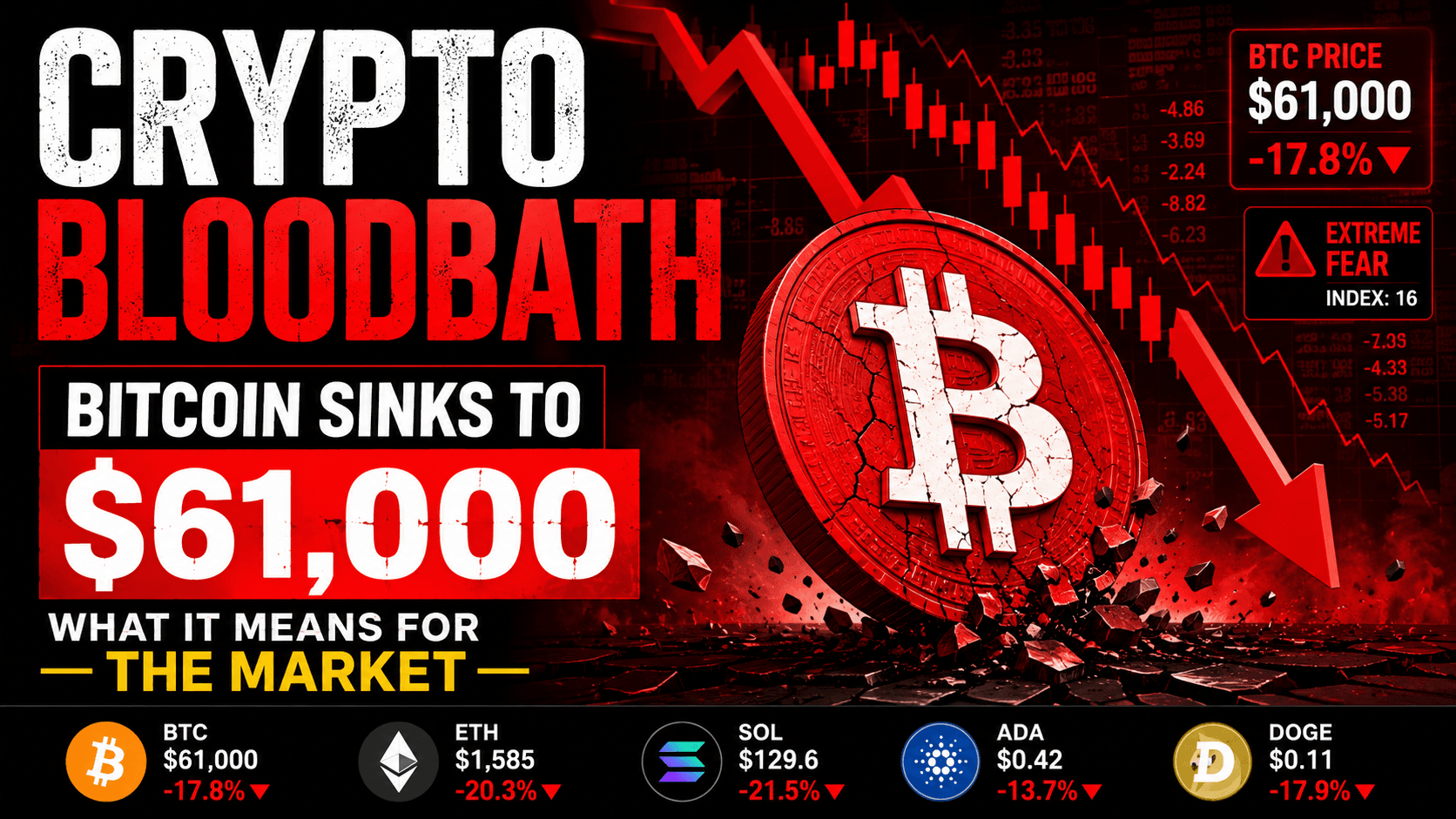
Cryptocurrency is also becoming a permanent part of modern finance. While the market still experiences volatility, digital assets are increasingly viewed as long-term financial tools rather than temporary trends.
Bitcoin, Ethereum, and stablecoins continue gaining adoption among investors, businesses, and institutions worldwide. Some people use crypto for investment purposes, while others rely on blockchain systems for fast international payments and decentralized financial services.
Stablecoins have become especially important because they combine the speed of cryptocurrency with reduced price volatility. In many countries with unstable currencies, stablecoins provide people with greater financial protection and global accessibility.
Decentralized finance, commonly known as DeFi, is another rapidly growing sector. Unlike traditional banking systems that require intermediaries, DeFi platforms allow users to lend, borrow, trade, and earn interest directly through blockchain protocols.
This innovation is creating alternative financial ecosystems that operate globally without depending entirely on centralized institutions. While risks still exist, many analysts believe decentralized finance could eventually reshape large parts of the global banking industry.
Investing itself is also changing significantly in 2026. Younger investors are entering financial markets earlier than previous generations. Mobile investing applications and online education platforms have made financial information more accessible than ever before.
Social media has introduced millions of people to investing, entrepreneurship, and wealth-building concepts. However, this accessibility has both advantages and dangers. While education is easier to find, misinformation and unrealistic expectations also spread quickly online.
Many inexperienced investors still chase hype-driven opportunities without understanding risk management. Experts continue emphasizing the importance of patience, diversification, and long-term thinking.
True wealth is rarely built overnight. Sustainable financial success usually comes from consistent habits repeated over many years. Saving regularly, investing carefully, controlling unnecessary spending, and increasing income gradually are still some of the most effective strategies for building long-term financial security.
One of the biggest financial mistakes people make is lifestyle inflation. As income increases, spending often rises equally fast. Instead of investing extra money, many people immediately upgrade their lifestyle through expensive cars, luxury products, and unnecessary expenses.
Financially successful individuals often do the opposite. They maintain disciplined spending habits even as their income grows. This creates a larger investment gap that allows wealth to compound over time.
Compounding remains one of the most powerful concepts in finance. Small investments made consistently over long periods can eventually grow into significant wealth. Time is often more important than starting with large amounts of money.
This is why financial experts encourage people to start investing early, even with small amounts. Delaying investment decisions for years can dramatically reduce long-term wealth potential.
Emergency funds also remain critical in modern financial planning. Economic uncertainty, job instability, and global market changes make financial preparation more important than ever. Experts recommend maintaining savings that can cover several months of essential living expenses.
Without emergency savings, unexpected financial problems can force people into debt or poor financial decisions. A strong emergency fund creates stability and reduces stress during difficult periods.
Debt management is another essential part of financial success. Not all debt is harmful, but high-interest consumer debt can become extremely dangerous if not controlled properly.
Credit card debt, unnecessary loans, and impulsive financing often trap people in cycles of financial pressure. Smart financial planning focuses on eliminating harmful debt while using strategic borrowing carefully when necessary.
Education itself is becoming one of the most valuable financial investments in the modern economy. People who continuously learn new skills, technologies, and business strategies often create more opportunities for income growth.
The digital economy rewards adaptability. Skills related to technology, artificial intelligence, online business, digital marketing, finance, and content creation are becoming increasingly valuable worldwide.
Financial literacy is now one of the greatest advantages a person can develop. Understanding how money works provides independence, flexibility, and long-term security in a rapidly changing world.
Ultimately, personal finance in 2026 is about far more than simply earning money. It is about building systems that create freedom, stability, and long-term opportunity.
The world is becoming increasingly digital, competitive, and technology-driven. Those who learn how to manage money wisely, adapt to change, and think long-term will likely thrive in the future economy.
While economic uncertainty and financial challenges still exist, opportunities have never been more accessible for people willing to learn, grow, and take action.
The future of wealth belongs to disciplined thinkers, strategic investors, and adaptable entrepreneurs who understand that financial success is not built through luck—but through consistent smart decisions over time.
How Blockchain Technology Powers Bitcoin (Future of Crypto Explained)
Personal Finance 2026, Smart Money Strategies, Financial Freedom, Wealth Building, Money Management, and Investing 2026, Cryptocurrency Investment, Digital Banking, AI Finance, Future of Finance, Financial Planning,Online Income, Passive Income, Financial Success, Digital Economy, Modern Investing, Blockchain Finance, Saving Money, Budgeting Tips, Finance Trends 2026, Decentralized Finance, Crypto Investing, Financial Literacy, Business Growth, Wealth Creation, Online Business, Financial Education, AI Investing, Economic Trends, Money Growth.