
Bitcoin Market Boom in 2026: Why Smart Investors Are Watching Crypto More Than Ever
The global financial system is changing faster than anyone expected. What was once considered a risky digital experiment has now become one of the most powerful financial movements in modern history. Bitcoin is no longer just a cryptocurrency for tech enthusiasts—it has become a global asset attracting banks, institutions, governments, and millions of investors worldwide.
In 2026, the crypto market is experiencing another powerful wave of momentum. Bitcoin continues dominating headlines as institutional money flows deeper into digital assets. Analysts believe the current market cycle is different from previous bull runs because this time the growth is being driven by infrastructure, adoption, and long-term financial transformation instead of pure speculation.
Over the last few years, Bitcoin has evolved from an alternative investment into a recognized store of value. Many investors now compare Bitcoin to digital gold because of its limited supply and decentralized structure. Unlike traditional currencies that governments can print endlessly, Bitcoin has a fixed supply of only 21 million coins.
This scarcity is one of the biggest reasons investors continue buying Bitcoin during uncertain economic periods. Inflation fears, banking instability, and geopolitical tensions are pushing more people toward decentralized financial assets.
One of the biggest reasons behind Bitcoin’s market strength in 2026 is institutional adoption. Major investment firms, hedge funds, and multinational corporations are no longer ignoring crypto markets. Large financial institutions now see Bitcoin as part of the future financial ecosystem. Instead of criticizing digital assets, many banks are creating crypto investment products for their clients.
Spot Bitcoin ETFs have played a major role in this transformation. These investment products allow traditional investors to gain Bitcoin exposure without directly holding cryptocurrency themselves. As a result, billions of dollars are entering the crypto market through regulated investment channels. This institutional demand has increased Bitcoin’s credibility and long-term stability.
Analysts believe institutional accumulation is still in its early stages. Many pension funds and corporate investors are only beginning to explore digital asset allocation strategies. If adoption continues increasing at the current pace, Bitcoin could become one of the most important financial assets of the next decade.
Inflation continues affecting economies around the world. Rising prices, currency devaluation, and growing government debt are forcing investors to rethink traditional financial strategies. Bitcoin is increasingly viewed as a hedge against inflation because it operates outside central banking systems.
Unlike fiat currencies, Bitcoin cannot be manipulated through unlimited money printing. This has made Bitcoin particularly attractive in countries suffering from unstable currencies and economic uncertainty. In many developing economies, freelancers and entrepreneurs now use cryptocurrency for international transactions because it offers faster and cheaper transfers compared to traditional banking systems.
Stablecoins and Bitcoin together are becoming part of a parallel digital financial system that operates globally without geographic restrictions. Millions of remote workers and online business owners are now depending on digital assets for cross-border payments and financial flexibility.
Another major trend influencing Bitcoin and the broader crypto market is artificial intelligence. AI technology is rapidly transforming industries worldwide, and blockchain infrastructure is becoming increasingly connected to this revolution.
Crypto mining companies are now expanding beyond Bitcoin production and transforming into AI infrastructure providers. Many mining facilities already possess powerful computing systems capable of supporting machine learning and cloud computing operations. This shift is creating a completely new investment narrative around crypto infrastructure businesses.
Investors no longer see mining companies only as speculative operations but also as potential leaders in the AI economy. Several firms are now positioning themselves as providers of computing power for artificial intelligence applications, which could dramatically increase their long-term value.
At the same time, AI-powered trading systems are changing how investors analyze markets. Automated tools can process huge amounts of data in seconds, helping traders identify patterns and opportunities more efficiently than ever before. However, experienced investors still warn against relying entirely on automation. Emotional discipline and proper risk management remain essential for long-term success in crypto investing.
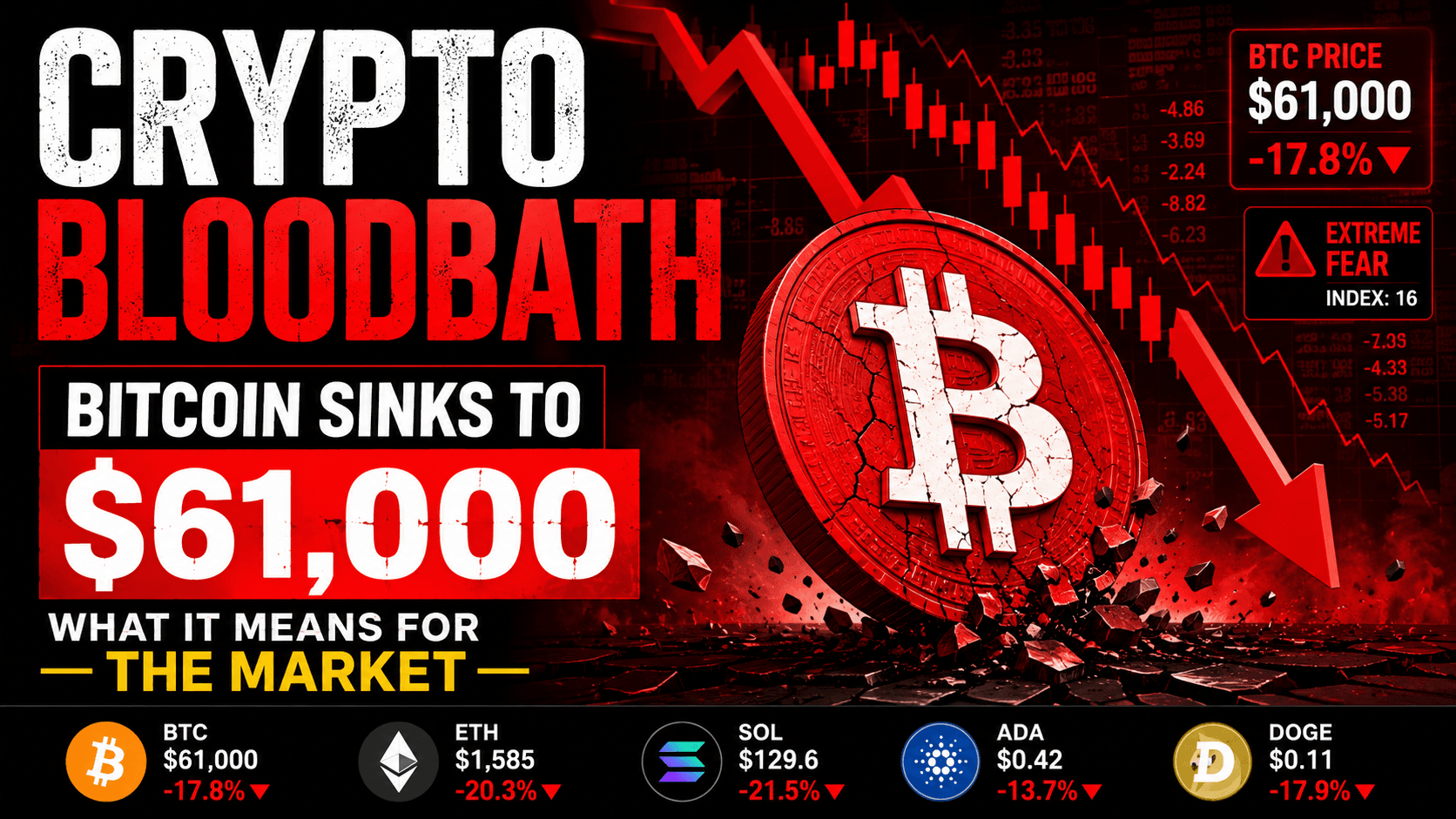
Despite the optimism surrounding Bitcoin, volatility remains one of the biggest risks in the crypto market. Bitcoin prices can rise rapidly during bullish periods but also experience sharp corrections within short timeframes. Many inexperienced investors lose money because they buy assets emotionally during periods of hype and panic during corrections.
Successful investors understand that volatility is a natural part of crypto markets. Instead of reacting emotionally to short-term price swings, experienced investors focus on long-term adoption trends and strategic accumulation.
Patience has historically rewarded disciplined Bitcoin investors. Many people who held Bitcoin through previous market crashes eventually saw significant gains over time. However, experts continue recommending diversification rather than investing all capital into a single digital asset.
The future of Bitcoin looks increasingly connected to mainstream finance. Governments, banks, payment companies, and technology firms are all exploring blockchain integration. Some analysts even believe Bitcoin could eventually become part of global reserve systems if institutional adoption continues accelerating.
Meanwhile, blockchain technology itself is expanding far beyond cryptocurrency trading. Industries such as finance, logistics, healthcare, artificial intelligence, and digital identity verification are all beginning to integrate decentralized systems into their operations.
This broader adoption strengthens confidence in the long-term survival of digital assets. The current crypto market cycle feels different from previous years because infrastructure development is now moving faster than speculation alone. Instead of focusing only on meme coins and hype-driven narratives, investors are increasingly paying attention to utility, scalability, security, and sustainable growth.
Decentralized finance, commonly known as DeFi, is also continuing to evolve. Modern DeFi platforms are becoming safer, more transparent, and increasingly attractive to institutional investors. These platforms allow users to lend, borrow, trade, and earn yield without relying on traditional banking intermediaries.
As DeFi infrastructure improves, many experts believe decentralized financial systems could eventually compete directly with traditional banks. This creates massive opportunities for developers, entrepreneurs, and investors who understand the long-term potential of blockchain technology.
Another important trend in 2026 is tokenization. Tokenized assets allow investors to own fractional shares of real estate, stocks, commodities, and even art through blockchain networks. This technology could revolutionize ownership itself by increasing accessibility and liquidity in traditionally restricted markets.
For younger generations especially, digital finance feels more natural than traditional banking systems. Many Gen Z and millennial investors are entering financial markets through cryptocurrency rather than stocks. This generational shift could continue accelerating crypto adoption over the next decade.
Social media and online communities also continue playing a major role in shaping crypto market trends. However, investors are becoming more cautious after witnessing previous market bubbles and speculative collapses. Education and research are now more important than blindly following influencers or viral trends.
The smartest investors in 2026 focus on long-term utility, ecosystem growth, leadership quality, and technological innovation. They understand that sustainable wealth is rarely built overnight. Instead, successful investing requires patience, learning, and disciplined financial behavior.
Ultimately, Bitcoin in 2026 represents far more than a speculative digital currency. It has become part of a rapidly evolving global financial transformation. Institutional adoption, inflation concerns, AI integration, and blockchain innovation are all contributing to the growing importance of crypto markets worldwide.
Although risks and volatility still exist, long-term adoption trends continue strengthening the digital asset industry. For investors willing to study the market carefully, manage risk properly, and think long-term, Bitcoin could remain one of the most important financial opportunities of the modern era.
The future of finance is increasingly digital, decentralized, and global—and Bitcoin remains at the center of that transformation.
. https://khaldir.com/2026/04/21/top-financial-tips-to-save-money-and-grow-your-income-fast/