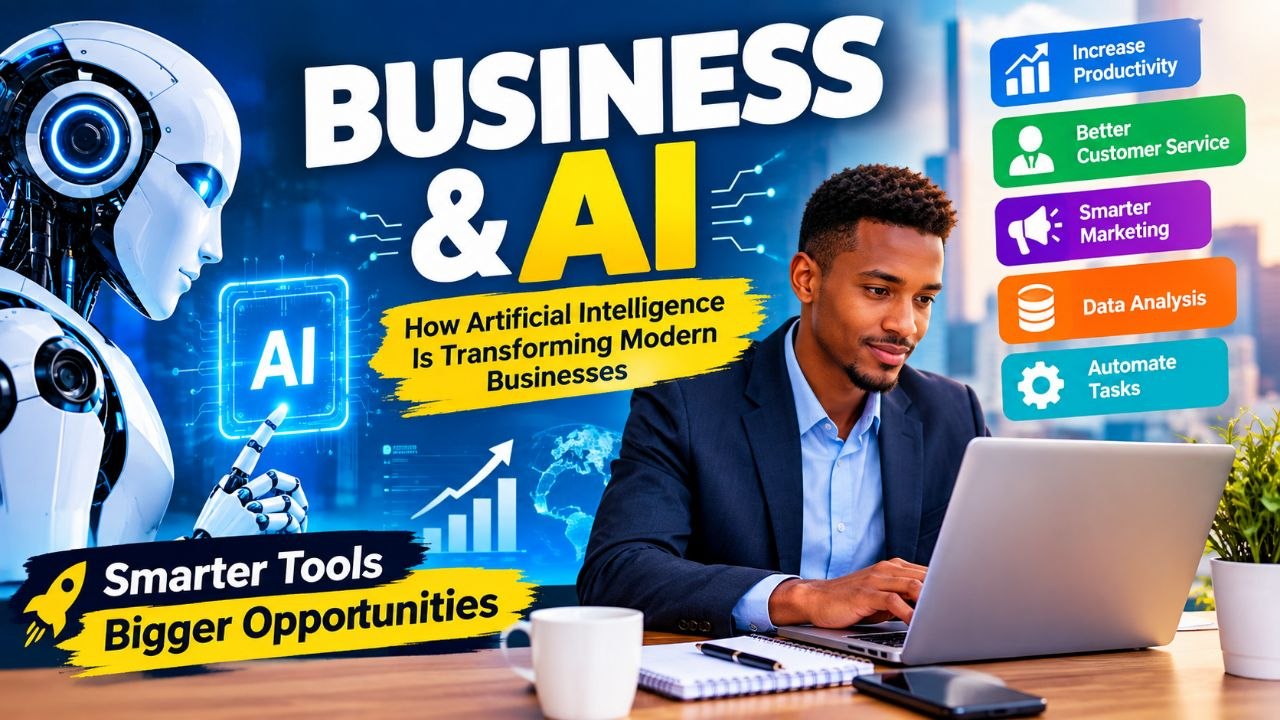

The Future of Artificial Intelligence: How AI is Transforming Human Life
Technology is evolving at an unprecedented pace. Over the past few decades, society has transitioned from the era of bulky desktop computers and slow dial-up internet into an age defined by Artificial Intelligence (AI). Once a concept confined to science fiction novels and futuristic movies, AI has become an indispensable part of daily life, influencing how people work, communicate, learn, and make decisions.
This article explores how Artificial Intelligence is reshaping the modern world, its impact across key global industries, the major advantages and ethical concerns associated with it, and what lies ahead for humanity in the AI-driven future.
What is Artificial Intelligence?
At its core, Artificial Intelligence refers to the simulation of human intelligence in machines programmed to think, learn, solve problems, and make decisions. By leveraging advanced algorithms, neural networks, and massive amounts of data (Big Data), AI systems can analyze patterns and continuously improve their performance without explicit human intervention for every task.
AI technology is generally categorized into three distinct stages:
Narrow AI (Weak AI): Designed to perform specific, predefined tasks. Examples include voice assistants like Siri and Alexa, recommendation algorithms on Netflix or Spotify, and facial recognition tools.
Generative AI: Capable of producing original content—such as text, images, code, or audio—based on user prompts. Popular examples include ChatGPT, Gemini, and Midjourney.
General AI (Strong AI / AGI): A theoretical level of AI where a machine possesses cognitive abilities equivalent to or exceeding those of a human across all domains. True AGI does not yet exist.
The Impact of AI Across Key Sectors
AI is no longer restricted to research laboratories or tech giants. It is actively transforming major industries globally, driving efficiency and introducing entirely new methodologies.
1. Healthcare and Medical Science
Healthcare is experiencing one of the most profound transformations due to AI integration. AI models are capable of analyzing medical imagery—such as X-rays, CT scans, and MRIs—with remarkable speed and accuracy, often detecting abnormalities faster than human clinicians.
Early Disease Diagnosis: Machine learning models identify early-stage conditions, including cardiovascular diseases and localized cancers, enabling early intervention and higher survival rates.
Accelerated Drug Discovery: Traditionally, developing a new drug takes over a decade and billions of dollars. AI tools simulate molecular interactions, reducing drug discovery timelines to a fraction of the time.
2. Education and Learning
The traditional “one-size-fits-all” approach to education is rapidly changing thanks to adaptive AI technologies.
Personalized Learning: AI-driven educational platforms analyze a student’s individual learning speed and style, creating customized curricula that address specific weaknesses and reinforce strengths.
24/7 Virtual Tutors: Students can access intelligent tutoring systems at any time to receive step-by-step explanations for complex problems in mathematics, science, or language arts.
3. Business and Finance
Businesses of all sizes use AI to automate routine processes, reduce operational costs, and improve customer satisfaction.
Enhanced Customer Support: AI-powered chatbots handle millions of customer inquiries simultaneously, offering round-the-clock support and instant resolutions.
Predictive Analytics: Financial institutions and retailers utilize machine learning algorithms to detect fraud in real time and forecast market trends based on consumer behavior patterns.
Benefits and Challenges of AI Integration
While Artificial Intelligence presents extraordinary opportunities, it also introduces significant challenges that require careful governance.